
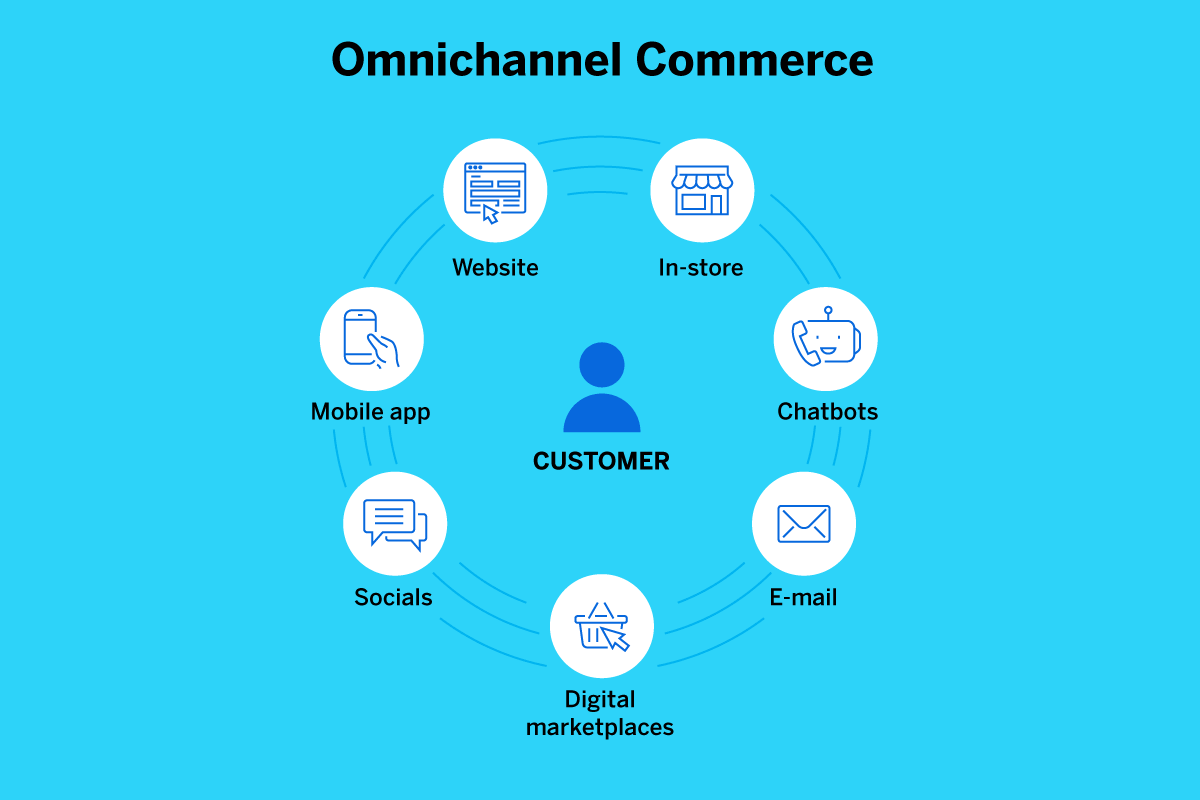
Retail companies around the world are accelerating investments in omnichannel strategies as consumer expectations continue evolving. Businesses are integrating online platforms, mobile applications, physical stores, and customer service systems to provide seamless experiences across multiple channels. Industry experts believe these efforts are becoming essential for maintaining competitiveness.
Consumer behavior has changed significantly in recent years. Shoppers increasingly expect convenience, personalization, and flexibility when making purchasing decisions. Retailers are responding by implementing technologies that improve inventory visibility, simplify transactions, and enhance communication with customers.
Artificial intelligence and analytics tools are playing a larger role in retail operations. Businesses use data-driven insights to forecast demand, optimize pricing, and deliver personalized recommendations. These capabilities help organizations improve customer satisfaction while increasing operational efficiency.
Logistics modernization remains another important priority. Retailers are investing in fulfillment centers, automated warehouses, and transportation networks that support faster delivery times. Efficient logistics operations are becoming a key differentiator in competitive markets.
Sustainability initiatives are also influencing business strategies. Many organizations are introducing environmentally responsible packaging, ethical sourcing practices, and transparent supply chains. Consumers increasingly consider environmental performance when evaluating brands and purchasing products.
Market analysts expect continued growth in digital commerce and omnichannel retail. Companies that successfully combine technology, customer experience, and operational excellence may achieve stronger financial performance. As competition intensifies, innovation and adaptability are likely to remain critical success factors for organizations operating in global retail markets.